
Ontario Line
A new 15.6-km subway line in Toronto that will run from Exhibition Place, through downtown, all the way to Line 5 Eglinton at Don Mills Road.- Projects & Programs
- Ontario Line
- What We're Building
- Exhibition tunnel portal
Tunnel launch shaft
The tunnel launch shaft, located east of Exhibition Station, will serve as the starting point for tunnelling the roughly six-kilometre twin subway tunnels from east of Exhibition Station to west of the Don Yard.
It is a deep, reinforced structure where the two tunnel boring machines (TBMs) will be assembled and lowered into the ground to start tunnelling.
After the TBMs launch from the shaft, they will continue their journey east to stations at King-Bathurst and Queen-Spadina, then underneath the existing Osgoode and Queen TTC stations, on to Moss Park, until the final downtown underground station in Corktown. The TBMs will finish tunnelling once they reach the Don Yard tunnel portal where they will be disassembled within the tunnel and taken out of the ground at Corktown and retired once tunnelling is complete.

Aeriel view looking east at the tunnel launch shaft near Exhibition Station. Once tunnelling is completed, the launch shaft will become the tunnel portal where Ontario Line trains will transition between above and below ground.
The launch shaft site will also be used to store construction equipment and materials needed for tunnelling, including the concrete segments that will be used to build the tunnel walls. Excavated soil, rock and debris from the tunnel boring machines will travel along a conveyor system back to the shaft, and finally the muck pits where it will be collected and hauled away to be safely disposed.

From above: the launch shaft near Exhibition Station will support all things tunnelling for the south, or downtown, section of the Ontario Line between Exhibition and Corktown.
Tunnelling FAQs
Q. When will tunnelling begin?
Tunnelling is scheduled to begin in 2026. Exact dates for tunnel launch will be determined through the assembly and testing phase once all pieces of the machinery are on-site.
Q. Will tunnelling affect existing transit services or traffic?
We have plans to ensure continued, reliable and safe movement of transit and traffic during our work. The impacts of tunnelling are expected to be minimal as we tunnel through stable bedrock nearly 40 metres underground.
Q. Will I feel or hear the tunnelling?
The Ontario Line TBMs will operate as deep as 40 metres underground. While personal perception levels can vary, impacts from noise or vibration are expected to be minimal.
It’s not unusual to occasionally feel or hear a TBM while it’s tunnelling underneath. The noise levels are expected to range from the sound of rustling leaves outside to the sound of a refrigerator or HVAC system humming. Metrolinx will be monitoring the impact of tunnelling activities to ensure we’re protecting the buildings and neighbourhoods in which we are working.
Any noise and vibration heard or felt during tunnelling will be temporary, as the TBM is generally expected to advance at a rate of 17 to 20 metres per day.
Q. How do you measure noise and vibration impacts?
People experience noise differently, depending on their surroundings and personal sensitivity. During construction, we monitor noise and vibration levels using dedicated equipment placed in and around our work sites, and we take steps to reduce impacts wherever we can.
Q. How fast does the TBM move?
On average, the TBM is expected to move at a rate of 17 to 20 metres per day.
Q. What if I think my property has been impacted by tunnelling work?
Monitoring will be in place along the route to continually assess ground conditions. We encourage residents to reach out to the Ontario Line community engagement team via phone at 416-202-5100 or by email at ontarioline@metrolinx.com with any concerns related to construction.
Tunnel portal
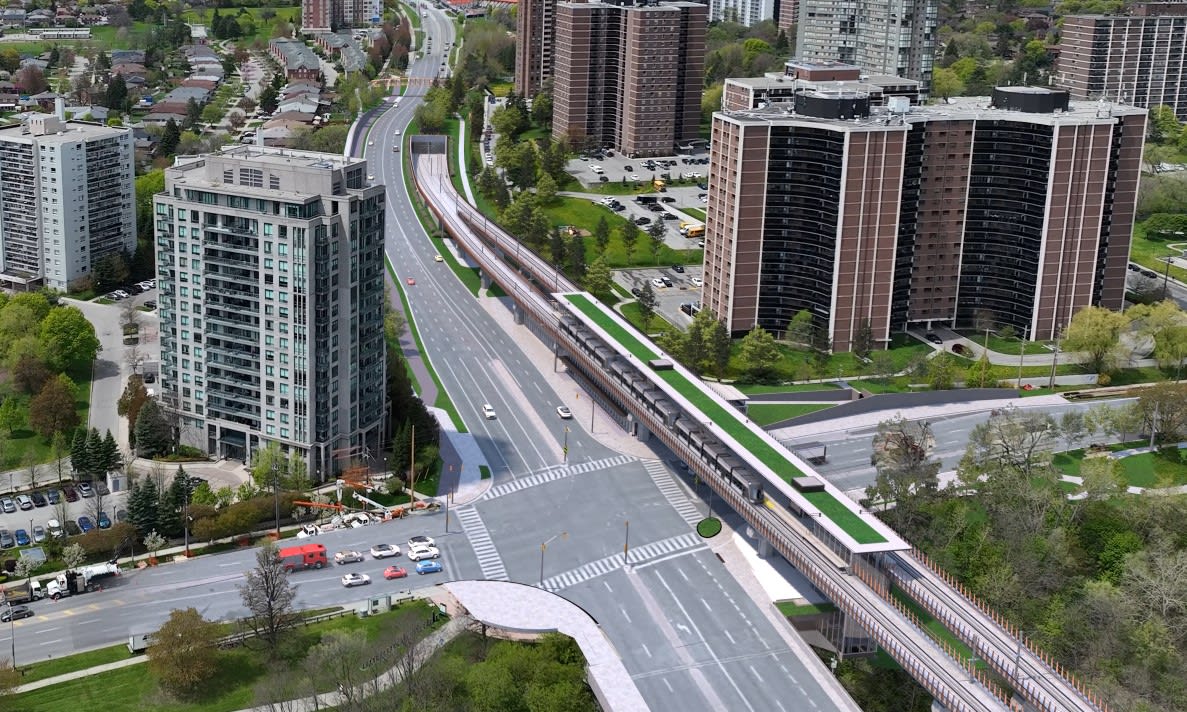
After tunnelling is complete, the launch shaft site will be converted into a tunnel portal, a permanent structure where Ontario Line trains will move between above-ground tracks and underground subway tunnels.

A peek into the future tunnel portal near Exhibition Station.
Equipment used during tunnelling will be removed from the launch shaft area and permanent, reinforced concrete walls and drainage systems will be built to transform the shaft into the portal. These will keep the tunnels dry and stable, and make sure subway trains move safely between the surface and tunnels. Rail and signaling systems will be installed to operate the line, as well as an access ramp for maintenance vehicles.
Managing construction impacts
Metrolinx works closely with our contractors to minimize disruptions while we deliver new transit. We engage with communities to address potential issues, and we strive to reduce and manage impacts whenever possible through a wide array of measures, including:
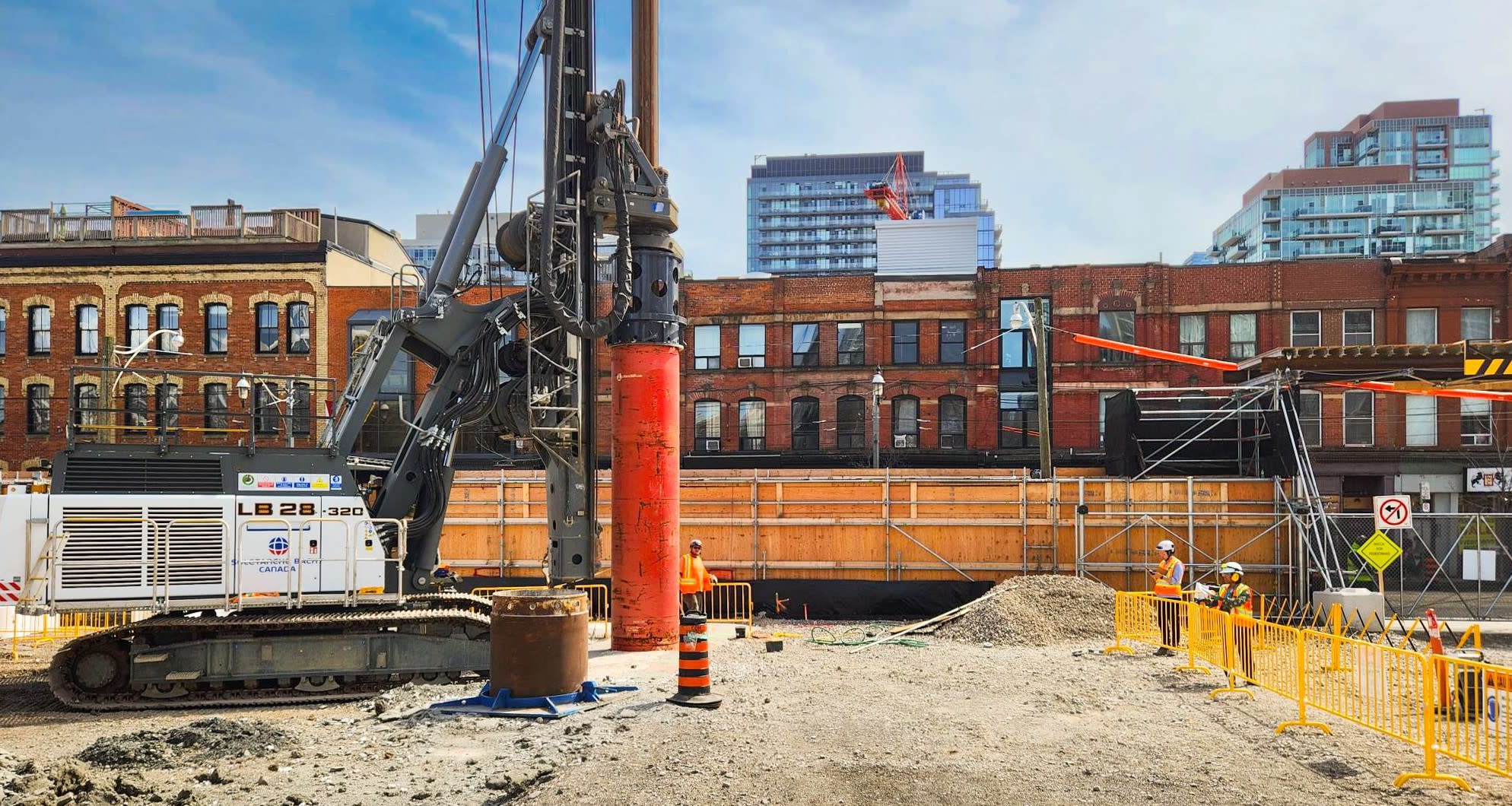
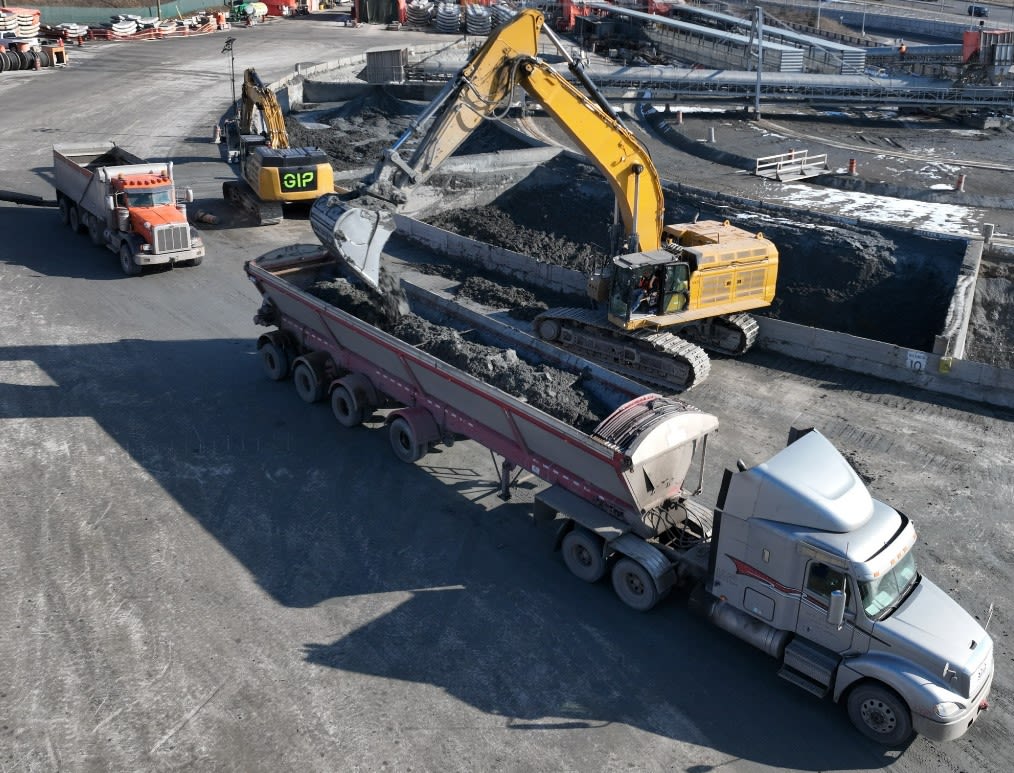
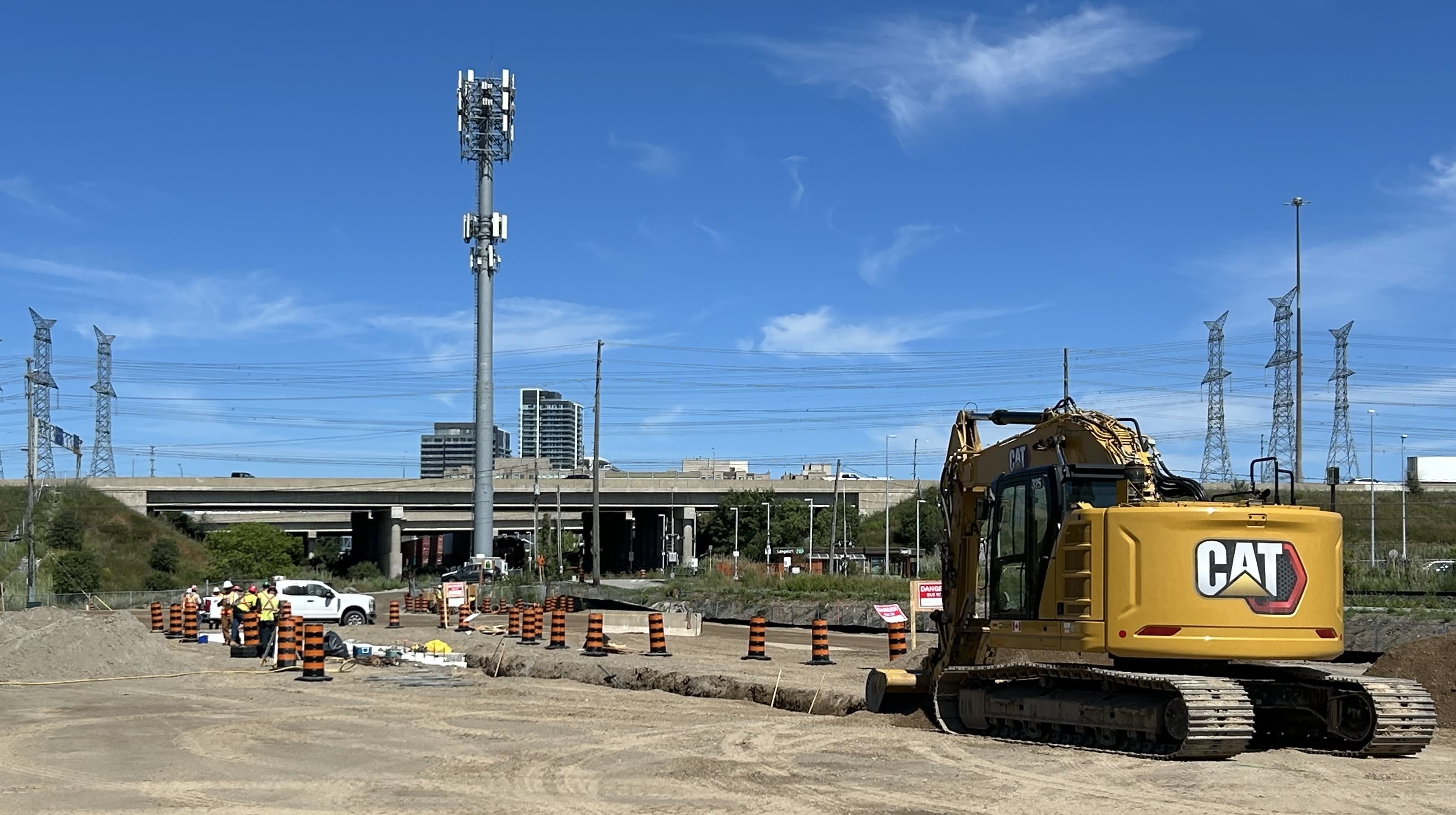
We also keep communities informed about what to expect during construction. You’ll hear from us well before work starts, and we’ll continue to share timely updates as work moves forward to make sure you have the latest information about progress and next steps.
To stay connected, you can sign up to our Ontario Line e-newsletter.
Get in touch
We're committed to keeping you informed and engaged every step of the way as we build important transit projects like the Ontario Line.
Our team is here to answer your questions, address issues and provide the information you need. Reach out to us any time at OntarioLine@metrolinx.com or 416-202-5100.
You can also visit us at a community office in Riverside, on the Danforth or in Thorncliffe Park.
Related Projects
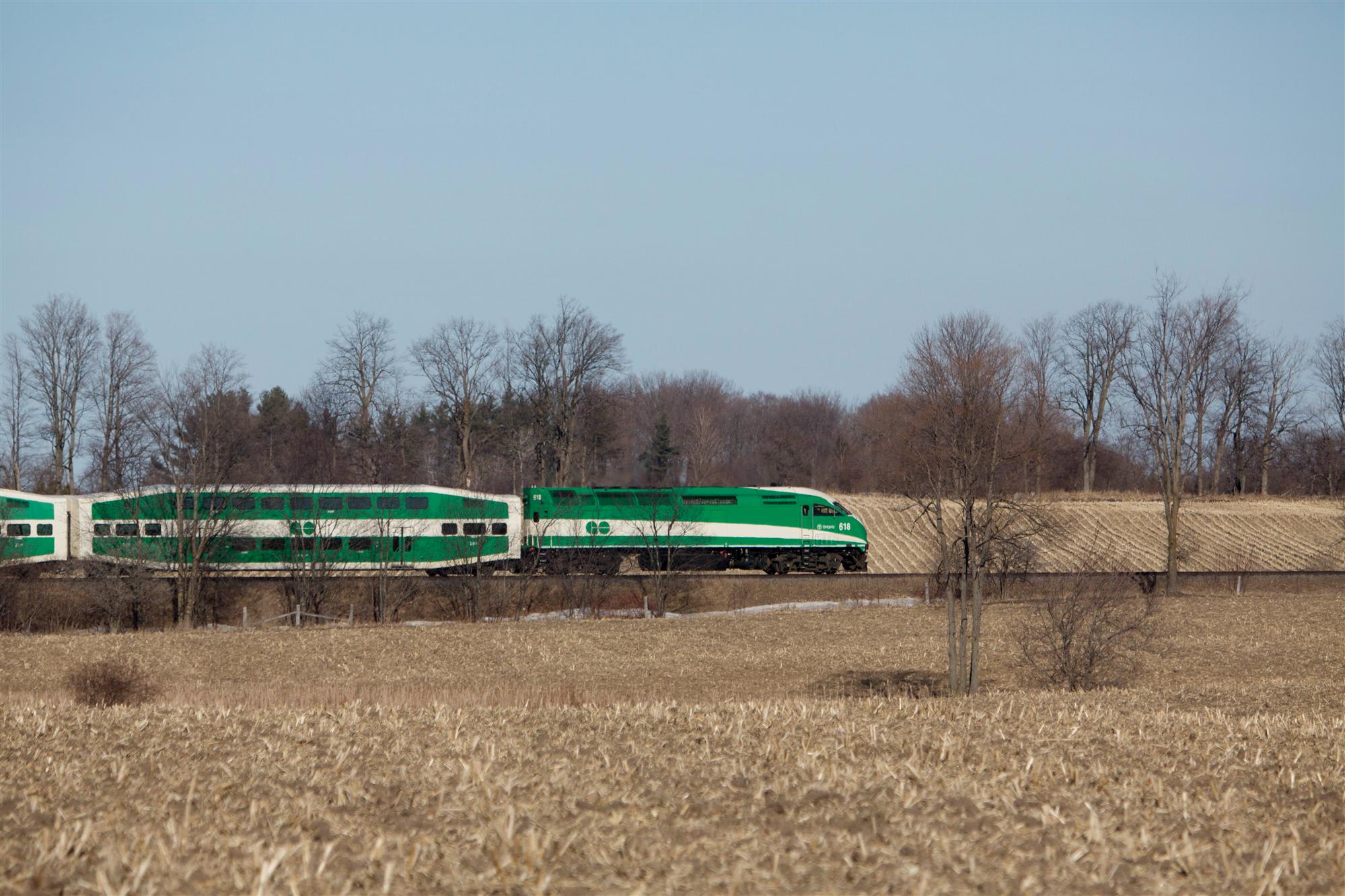
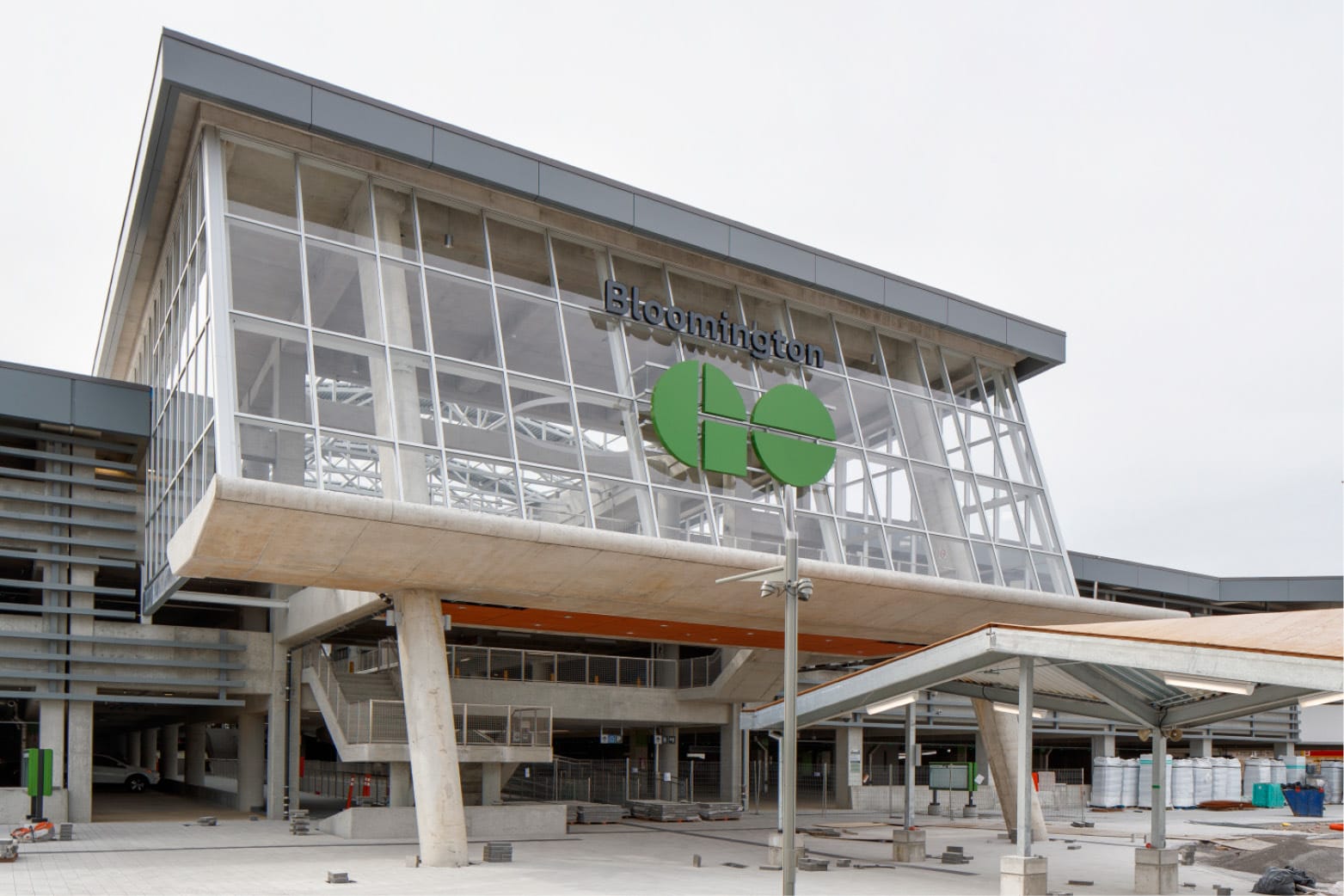
Improvements to Danforth GO Station will support increased GO service while improving station access

Land Acknowledgement
Metrolinx acknowledges that we connect communities by building and operating transit within the traditional lands of the Anishinaabe, the Haudenosaunee and the Wendat peoples, for whom these lands continue to have great importance. Treaties between First Nations and governments cover these lands, and the promises contained in these Treaties remain relevant to this day. Metrolinx and its employees are committed to understanding the history of these lands and the continued impacts of colonization and take responsibility for actions to advance reconciliation. Metrolinx will continue to seek the knowledge, expertise and experience of Indigenous partners and commits to doing business in a manner that is built on a foundation of trust, respect, and collaboration.