Rail-Based Construction
Building the future of GO Expansion with modern construction methods- Projects & Programs
- Rail-Based Construction
Overview
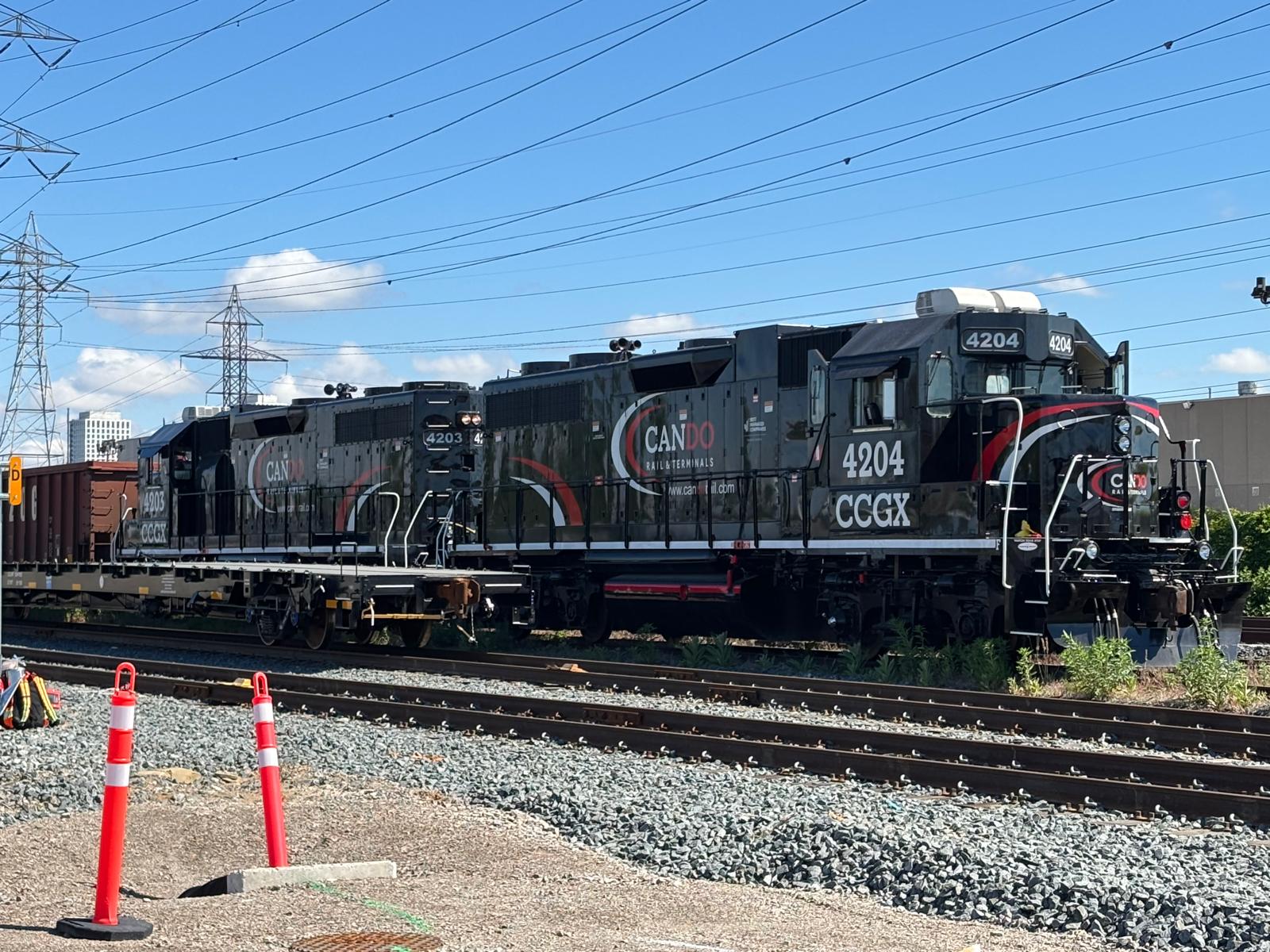
A new era of rail construction is taking shape. Instead of building track piece by piece on site, crews are now assembling large sections at dedicated logistics hubs —transforming how the work gets done. These modular track components are then delivered by specialized work trains and installed by advanced yellow plant machines in a streamlined, highly coordinated process. This integrated system is redefining how Metrolinx builds rail—introducing a faster, more efficient, and innovative approach that is powering GO Expansion forward and reducing the impact of construction on communities and customers.
Rail-based construction contains two major pieces: specialized machines and logistics hubs.
Together, they support how materials are delivered, track work is completed, and coordinate construction activities, which will enable faster, more frequent services on core segments of the network.
What is rail-based construction?
Rail-based construction is a method of building and maintaining rail infrastructure using trains and specialized track equipment to move materials and complete work directly within the rail network. By keeping more construction activity on the rails, this modern approach helps reduce truck traffic, noise, and disruptions in surrounding communities, while allowing crews to work more efficiently.
Meet the machines
There are two types of specialized machines – work trains and yellow plant. While they operate together as one coordinated system, each plays a different role during construction.
Work trains are non-revenue trains used to transport materials and equipment to and from the construction sites on the rail. Once work is finished, they assist in clearing waste and unused materials away from the construction site.
Yellow plant machines are rail-based equipment used to build, align, lift, and maintain track. Together, this creates a continuous start-to-finish construction process entirely on the rails.

How they work together
How logistics hubs support construction behind the scenes
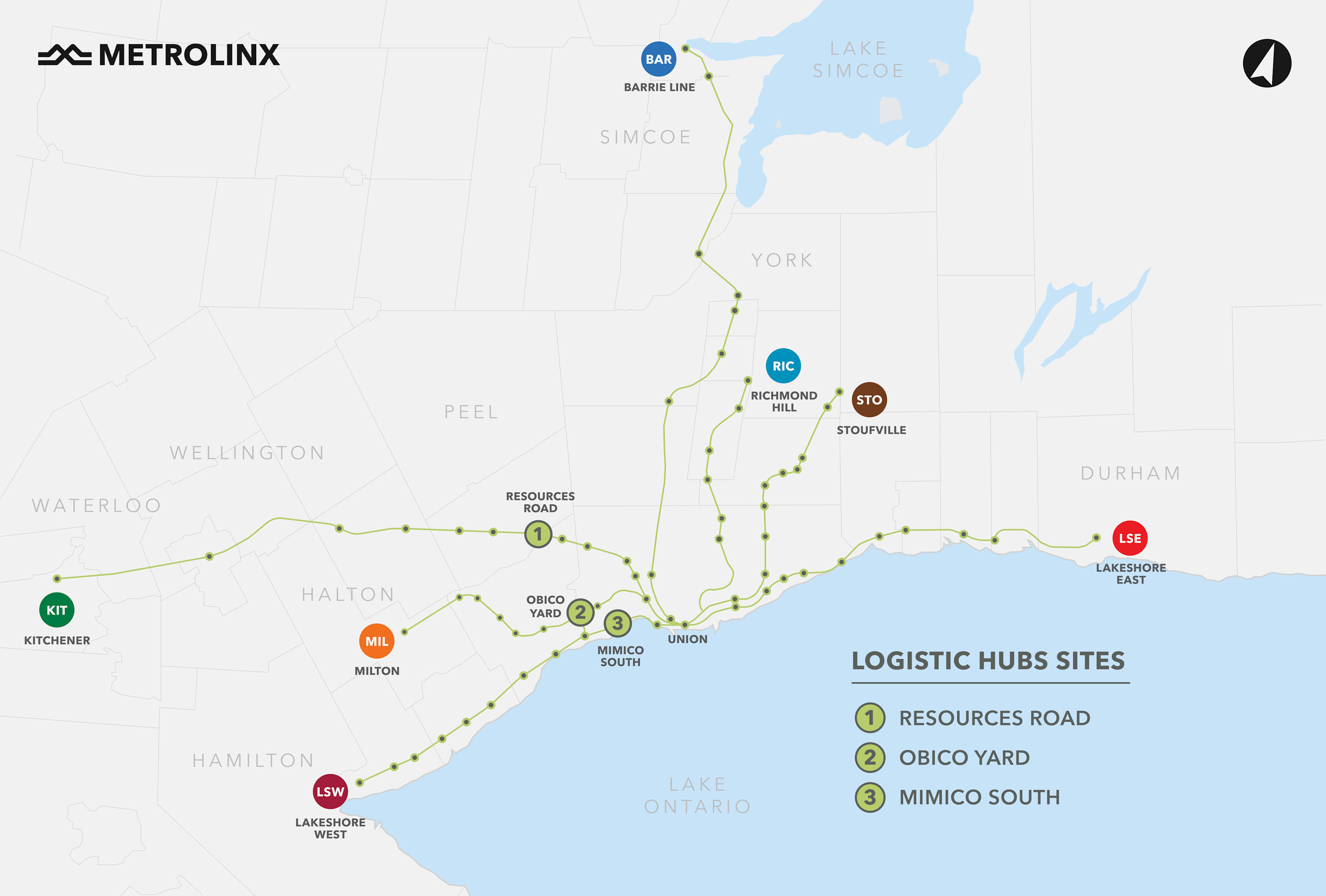
Logistics hubs are specialized staging and storage areas that support rail-based construction across the GO network. With multiple locations along the rail corridor, these hubs help crews prepare, organize, and coordinate materials and equipment before construction begins.
Materials and other track components can be assembled and loaded onto work trains at logistics hubs before being transported directly to site. The hubs also provide space to store and maintain equipment, store work trains, and manage waste and removed materials once work is complete.
By creating a connected network of logistics hubs, crews can coordinate multiple projects more efficiently while reducing the need for trucks, temporary laydown areas, and material storage on local roads and nearby communities.
Learn more about how logistics hubs are supporting GO Expansion.
Reducing impact on communities
Moving materials by rail can remove up to 150 trucks from local roads during a typical track renewal project
Rail-based construction can reduce preparation and clean-up time from 10 weeks to 5 weeks, helping reduce overall community impact
Modular crossovers can be installed over a weekend instead of several weeks, helping minimize disruptions while critical upgrades are completed
One work train can carry up to 1,500 tonnes of ballast, compared to 20 tonnes on a truck, helping reduce traffic on local roads
Rail-based construction helps reduce the impacts of construction on nearby communities. This approach can help:
- Reduce truck traffic on local roads
- Limit noise, dust and disruption near worksites
- Make construction activity more predictable
- Support faster delivery during track closures
- Reduce the need for extended track closures
By improving how track work is completed, rail-based construction will help to keep GO services moving while supporting communities near the rail corridor.