Meet the machines building the next phase of GO Expansion
New rail equipment is accelerating GO Expansion while reducing disruptions.
Jul 8, 2026
We’ve now got a whole new fleet of hard-working construction machines. The coolest part? They all run on the train tracks.
They don’t carry people though — they are here to work.
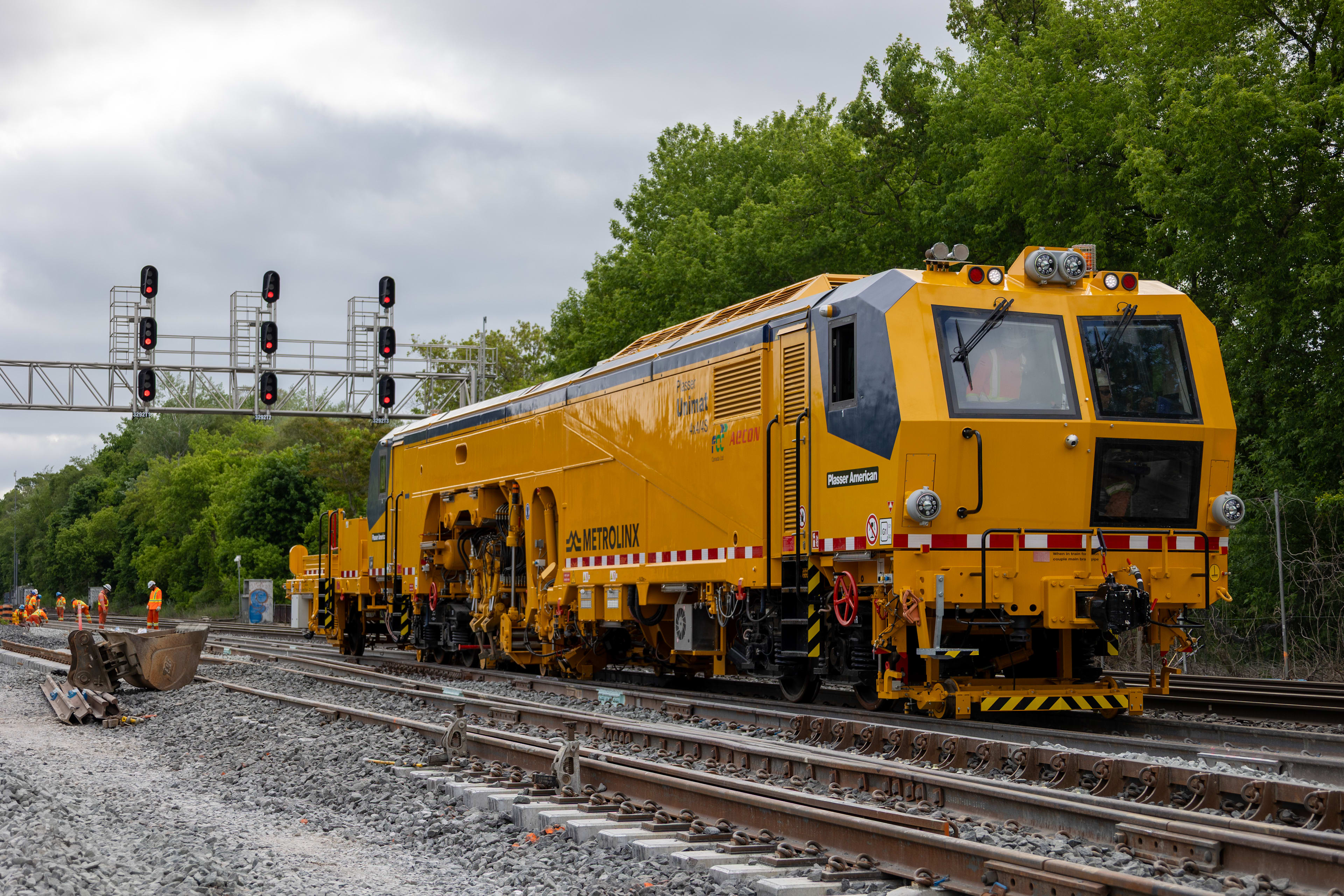
The first part of the new fleet has an interesting name too. They are called yellow plant machines. They allow us to more efficiently install new track within the network, and complete construction directly on the rails, entirely within the rail corridor.

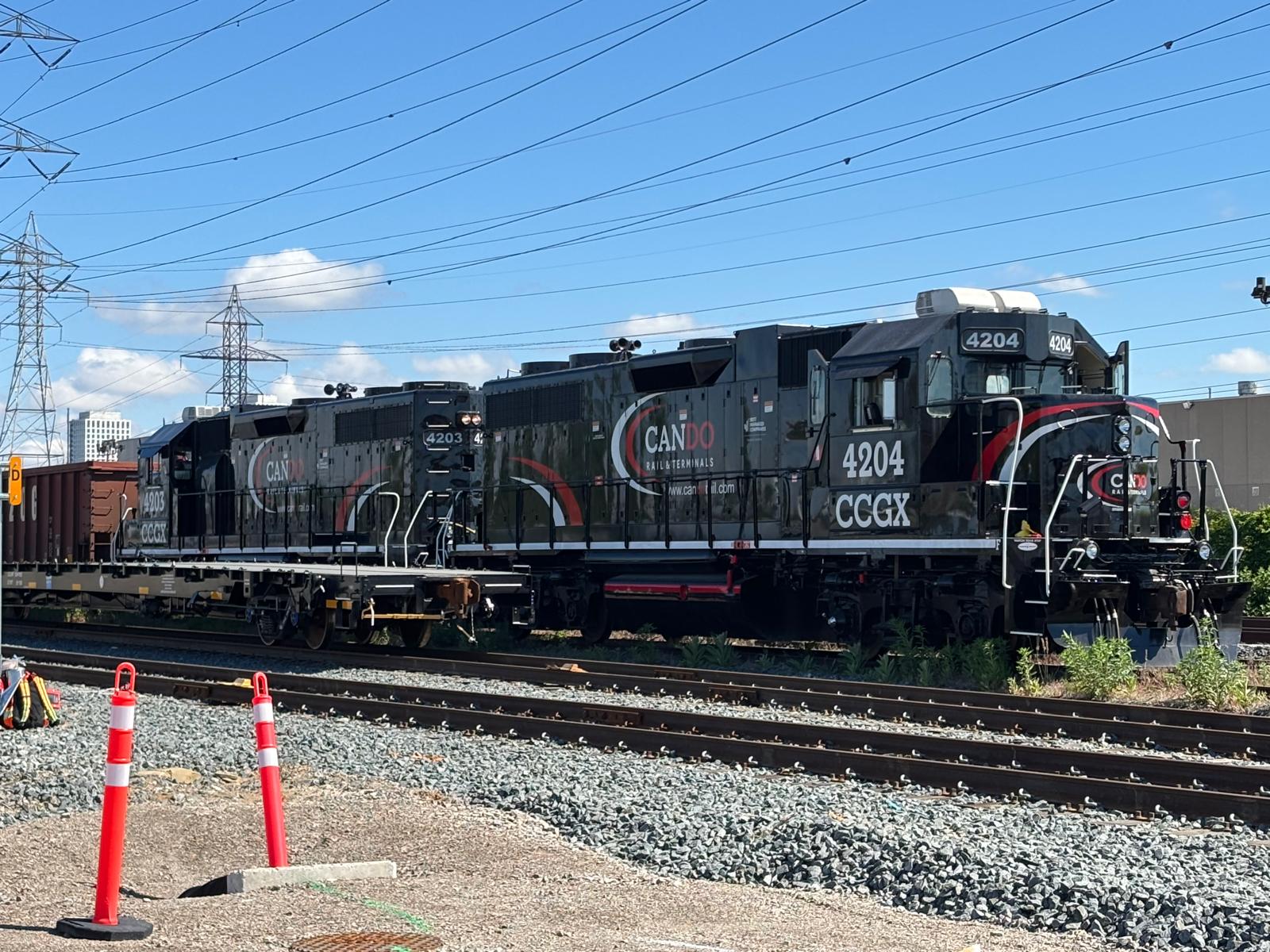
And their partners on the job site are called work trains. These machines will support the next phase of GO Expansion, helping crews complete critical track work more efficiently, meaning fewer disruptions to the passengers and surrounding neighborhoods.
A new era of rail construction is taking shape. Instead of building track piece by piece on site, crews are now assembling large sections at dedicated logistics hubs—transforming how the work gets done. These modular track components are then delivered by specialized work trains and installed by advanced yellow plant machines in a streamlined, highly coordinated process. Together, this integrated system is redefining how Metrolinx builds rail—introducing a faster, more efficient, and innovative approach that is powering GO Expansion forward.
What are yellow plant trains and work trains?
While they work together as a team, work trains and the yellow plant serve two different purposes during construction:
Yellow plant
The yellow plant machines are specialized rail equipment designed to complete construction on the tracks in one coordinated process. Their distinct yellow colour is an industry standard used for high visibility, helping improve safety for crews working on and around the tracks. The word ‘plant’ refers to the heavy and large machinery and equipment used in construction.
Work trains
Work trains are non-revenue trains (that means they don’t carry commuters) used to transport materials and equipment needed for railway construction and maintenance.
They bring materials such as ballast, rail ties, and track panels to the worksite, and remove waste and unused materials once work is complete. Instead of relying on multiple trucks traveling through neighborhoods to move materials in and out of trackside construction sites, these machines bring everything to the work site.
Each work train can transport 1500 tons of ballast per train over the rails, versus a truck that can only carry approximately 20 tons. That means each work train travelling on the rails helps to eliminate up to 70 trucks off roads in the communities where we work.
Meet the machines
The yellow plant and work train fleet includes a range of specialized rail cars and equipment that work together. Some of the key equipment includes:
Yellow plant (Surfacing equipment)
- Tampers: lift, line and compact track to the new design position
- Ballast regulators: shape and distribute ballast before and after tamping work is done
Work trains
- Ballast cars: carry and distribute ballast, around the track to create a stable foundation
- Flatcars: carry new track panels, ties, and other materials to worksites and scrap track panels from site
- Gondola cars: move large volumes of materials, including new ballast or removed track ballast.
- Locomotives: the “engine” of the work trains, helps to move the train through the rail corridor, transporting materials between logistics hubs and construction sites
- Tilting wagons: enables delivery of large, pre-built special track work panels (crossovers and turnouts) directly into the work area
Other specialized construction equipment
- Geismar PEM/LEM systems: help crews handle special trackwork (crossovers and turnouts), and track panels during installation and renewal work.
- Geismar PWP/LMC systems: unload and position panels for modular special trackwork (crossovers and turnouts) to allow installation from the tilting wagons.
Building the next phase of GO Expansion
The introduction of the yellow plant machines and the work trains marks an important milestone in expanding and maintaining a reliable, resilient transit system. Metrolinx is currently testing and commissioning the new fleet before using it more broadly across the network. With construction now full steam ahead, these machines will play a key role as GO Expansion evolves improving how rail is built and maintained, helping deliver a better experience for both customers and communities.
GO Expansion will bring more frequent service, shorter travel times, and increased capacity across the network. Delivering these improvements requires upgrades to tracks and stations, building new tracks, adding new stations, ongoing maintenance, and laying foundations for future infrastructure.